Quick answer
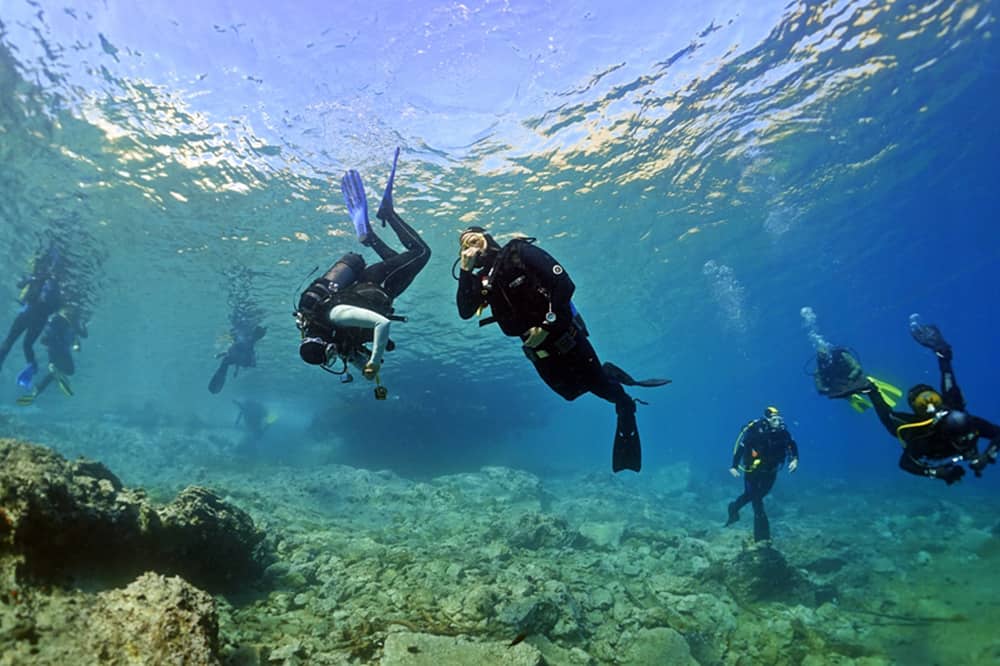
Greece ranks among the Mediterranean's most reliable diving destinations, and the Athenian Riviera exemplifies why. Water temperatures range from 15°C in winter to 26°C in summer, visibility averages 15-30 meters depending on season and location, and the coastline offers everything from shallow reefs at 5 meters to wall dives exceeding 40 meters. The Aegean's calm conditions suit novice divers, while wrecks and caves challenge advanced certifications.
The Athenian Riviera's underwater topography mirrors its surface geography—rocky outcrops give way to sand channels, vertical walls drop into blue water, and submerged caves punctuate the limestone substrate. This geological variety translates to habitat diversity. Posidonia seagrass meadows shelter juvenile fish, while deeper rock formations host octopus, moray eels, and seasonal grouper. Nudibranchs, sponges, and Mediterranean rainbow wrasse add color to the reef structure. Visibility peaks between May and October, when plankton blooms subside and wave action settles. Morning dives typically offer the clearest water, especially before midday winds develop. Winter months bring reduced visibility but also larger pelagic visitors and fewer divers. The Saronic Gulf's protected position shields many sites from open-sea currents, creating predictable conditions that allow multi-day planning. Water temperature requires a 5mm wetsuit year-round, with a 7mm suit or drysuit preferred between December and March. Accessibility defines the Athenian Riviera's appeal. Most dive centers operate from Vouliagmeni, Varkiza, and Cape Sounion, where boat launches reach sites within 10-20 minutes. Shore dives remain possible at several locations, eliminating boat dependency for divers who prefer autonomy. The proximity to Athens means same-day logistics—international arrivals can dive within hours of landing. Certification agencies recognize Greek dive operators widely, and English-speaking instruction is standard. Wreck enthusiasts find scattered remains from ancient amphorae to modern vessels, though purposefully sunk wrecks like those in other Mediterranean regions remain limited here. The marine reserve status of certain zones has improved fish populations over the past decade. Divers now regularly encounter schools of bream, amberjack during migration, and the occasional loggerhead turtle. While the Aegean lacks the coral reefs of tropical destinations, its temperate ecosystem offers different rewards—archaeological artifacts embedded in the seabed, dramatic geological formations shaped by tectonic activity, and the clarity that comes from nutrient-poor water. Greece's diving infrastructure continues to expand, with hyperbaric chambers in Athens and Piraeus providing safety coverage for the region.
“The Aegean's calm conditions suit novice divers, while wrecks and caves challenge advanced certifications.”
Is Greece Good for Scuba Diving: Best Times to Visit
The Athenian Riviera provides reliable conditions for scuba diving from late spring through early autumn. For optimal underwater visibility and light, the best arrival window is 10:00–17:00.
May to June
Moderate crowdsWarm water, 19°C–22°C
Conditions are stable with increasing visibility and mild air temperatures.
July to August
High seasonal trafficWarmest water, 24°C–26°C
This period offers the warmest temperatures though surface activity increases significantly.
September to October
Low to moderate crowdsCooling water, 21°C–23°C
Visibility remains high as surface waters stabilize following the summer months.
Daily Arrival
Steady flow—
The best arrival window is 10:00–17:00 for optimal lighting and water clarity.
Verdict: The best time to visit is from May to October, arriving between 10:00–17:00 to maximize underwater visibility.
Opening Hours for When You Decide Is Greece Good for Scuba Diving
The diving center operates six days a week, remaining closed on Mondays and Sundays. Please verify your planned visit aligns with these hours to ensure support is available for your excursions.
| Monday | Closed | |
|---|---|---|
| Tuesday | 10:00–18:00 | |
| Wednesday | 10:00–18:00 | |
| Thursday | 10:00–18:00 | |
| Friday | 10:00–18:00 | |
| Saturday | 10:00–18:00 | |
| Sunday | Closed |
Entrance Fees and Is Greece Good for Scuba Diving Costs
Access to the Athenian Riviera coastline for diving purposes is provided at no charge. Financial commitments are limited strictly to organized diving excursions and the rental of necessary technical equipment.
A typical visitor pays 0 EUR for entry, with total costs determined solely by the selection of professional diving services and equipment needs.
How to Reach the Athenian Riviera When Assessing Is Greece Good for Scuba Diving
The Athenian Riviera stretches along the southern coast of the Attica region. Most travelers reach diving sites via public transport or private vehicle from central Athens.
Line 2 (Red) to Elliniko Station, then connecting bus
Line A2 from Syntagma Square to various Riviera stops
Route EO91 (Athens-Sounio coastal road)
Direct from Athens city center to coastal dive centers
Checklist for Those Asking Is Greece Good for Scuba Diving
Visiting divers need valid certification, personal documents, and gear decisions before exploring Athenian Riviera sites.
-
Carry your dive certification card — PADI, SSI, or equivalent proof is required for all organized excursions.
-
Pack your logbook if continuing education — Instructors may request dive history for advanced courses or deep dives.
-
Decide rental vs. own equipment early — Contact +302114017294 to confirm available gear sizes and reserve in advance.
-
Bring passport or national ID — Required for boat-based dive trips and equipment rental agreements.
-
Book your excursion slot online — Reserve through https://www.divessi.com to secure preferred dates during Tuesday–Saturday hours.
-
Arrive between 10:00–17:00 for optimal conditions — Morning and midday windows offer best natural light and water clarity.
Check availability
Common questions: Is Greece good for scuba diving?
Everything you need to know about is greece good for scuba diving